August 13, 2026 · ChiGrub
The Legendary Chicago Hot Dog: From Maxwell Street to the World
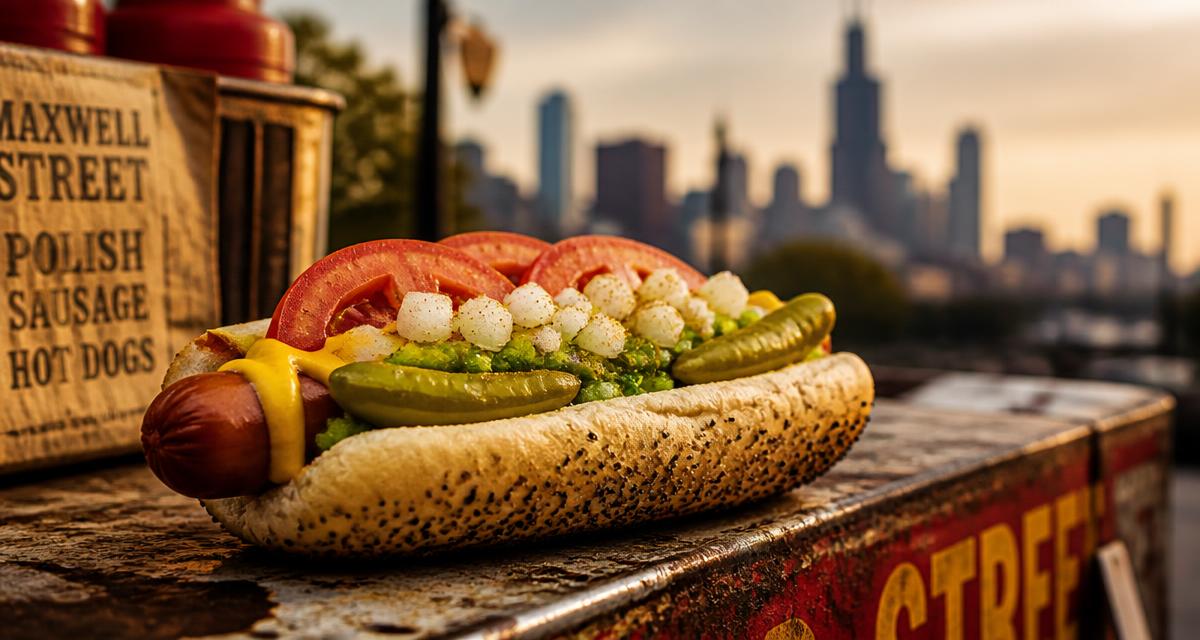
There are hot dogs, and then there is the Chicago hot dog. Order one anywhere else and you might get ketchup, a plain bun, and a shrug. But in Chicago, a hot dog is an event: a snappy all-beef frank tucked into a steamed poppy seed bun and “dragged through the garden” with yellow mustard, neon-green relish, chopped onions, tomato wedges, a dill pickle spear, sport peppers, and a shake of celery salt. No ketchup. Ever.
The story of this legendary sandwich begins where so many Chicago food stories do — with immigrants, street carts, and a city that never stopped moving.
## Humble Beginnings on the West Side
In the late 1800s, Chicago was a patchwork of immigrant neighborhoods. German and Polish newcomers brought their sausage-making traditions to the city, and by the 1890s, vendors were selling franks from pushcarts along Maxwell Street and the surrounding West Side market. These were working-class foods for working-class people: cheap, filling, and easy to eat while walking between the butcher, the tailor, and the produce stalls.
The 1893 World's Columbian Exposition helped put the hot dog on the national map. While vendors argued for years about who served the first one, the fair introduced millions of visitors to the idea of a sausage in a bun. Chicago never looked back.
## The Maxwell Street Pushcart Era
By the early 1900s, Maxwell Street was a thriving open-air market filled with Jewish, Greek, Italian, and Eastern European vendors. Hot dog carts lined the sidewalks, each one competing for attention. To stretch a meal and please customers, vendors started piling on toppings — whatever was fresh, cheap, and colorful. Tomatoes, pickles, onions, and peppers became standard. The poppy seed bun arrived later, a nod to the Eastern European bakeries nearby.
This was not fine dining. It was street food built from whatever the neighborhood had on hand. That improvisation is exactly what gave the Chicago dog its personality.
## Vienna Beef and the All-Beef Standard
In 1893, two Austrian-Hungarian immigrants, Emil Reichel and Sam Ladany, introduced their all-beef frankfurter recipe at the Columbian Exposition. The response was so strong that they opened a storefront and eventually founded Vienna Beef. Their natural-casing hot dog — snappy, juicy, and deeply seasoned — became the gold standard for the Chicago-style dog.
Natural casing is part of the magic. Bite into a proper Chicago dog and you get that signature snap, followed by a burst of beefy, smoky flavor. It is the texture as much as the toppings that separates a Chicago dog from the rest.
## Dragged Through the Garden
The phrase “dragged through the garden” sounds dramatic, but it just means the hot dog is loaded with fresh vegetable toppings. Every element serves a purpose: mustard adds tang, relish adds sweetness, onions add bite, tomatoes add acidity, pickles add salt, sport peppers add heat, and celery salt ties it all together with a faint bitterness.
Ketchup is considered sacrilege because it is too sweet and masks the other flavors. A Chicago hot dog is about balance, not sugar.
## From Street Cart to Stadium to Shipping Box
Today the Chicago hot dog is sold at Wrigley Field, Guaranteed Rate Field, O'Hare Airport, and backyard grills across the country. It has become a edible postcard for the city — a reminder that Chicago's best contributions to American food often come from immigrants, street vendors, and neighborhoods that turned humble ingredients into icons.
At ChiGrub, we ship the same Vienna Beef franks, poppy seed buns, sport peppers, and neon relish that make the real thing possible. Because a Chicago dog should taste like Chicago, no matter where you eat it.
Q: What makes a hot dog a “Chicago-style” hot dog?
A: It is an all-beef frank in a steamed poppy seed bun topped with yellow mustard, neon-green relish, chopped onions, tomato wedges, a dill pickle spear, sport peppers, and celery salt — never ketchup.
Q: Where did the Chicago hot dog originate?
A: It grew out of late-1800s immigrant neighborhoods and Maxwell Street pushcarts on Chicago's West Side, where vendors piled fresh toppings onto German-style sausages.
Q: Why is there no ketchup on a Chicago hot dog?
A: Ketchup is considered too sweet and overpowering; it masks the balanced flavors of the toppings and the beefy frank.
Q: What is Vienna Beef?
A: Vienna Beef is a Chicago company founded in 1893 by Austrian-Hungarian immigrants, famous for its natural-casing all-beef hot dog used by most Chicago-style stands.
Q: What does “dragged through the garden” mean?
A: It means the hot dog is loaded with fresh vegetable toppings, giving it the colorful, loaded look Chicago dogs are known for.
RELATED PRODUCTS
Shop all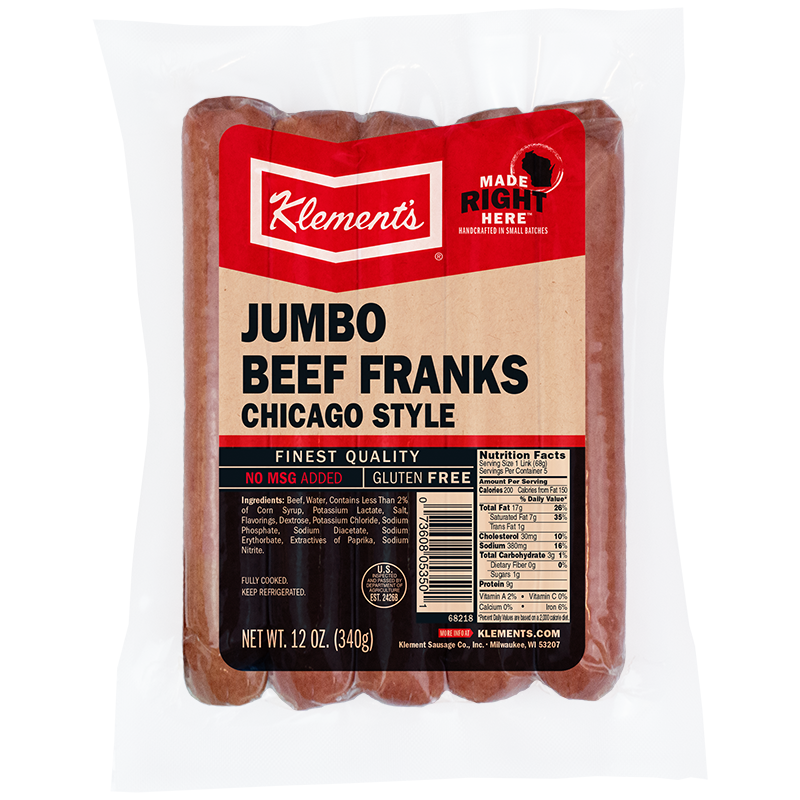 North Side
Klement's Jumbo Beef Franks, Chicago Style
Jumbo all-beef franks built for a poppy seed bun.
$7.99
 Maxwell Street
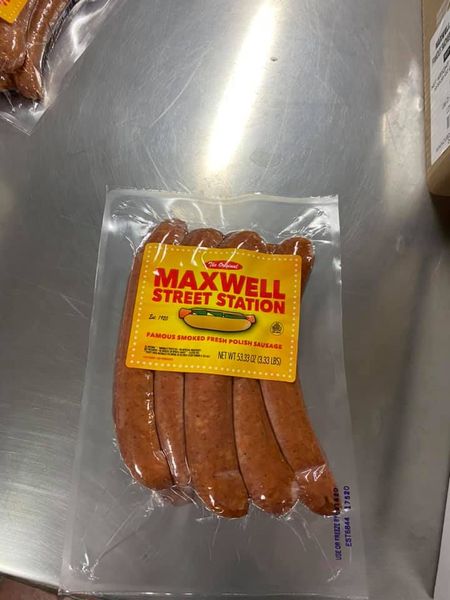
Maxwell Street Station Smoked Polish Sausage
The famous fresh-smoked Polish from Maxwell Street Station.
$24.99
 Bucktown
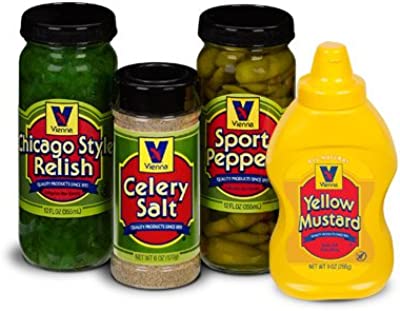
Vienna Beef Chicago Dog Condiment Kit
Everything that goes on the dog — except the ketchup.
$34.99
 Southwest Side
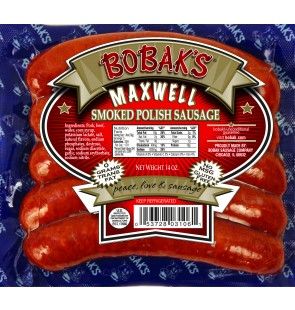
Bobak's Maxwell Smoked Polish Sausage
Peace, love and sausage from Maxwell Street
$9.99